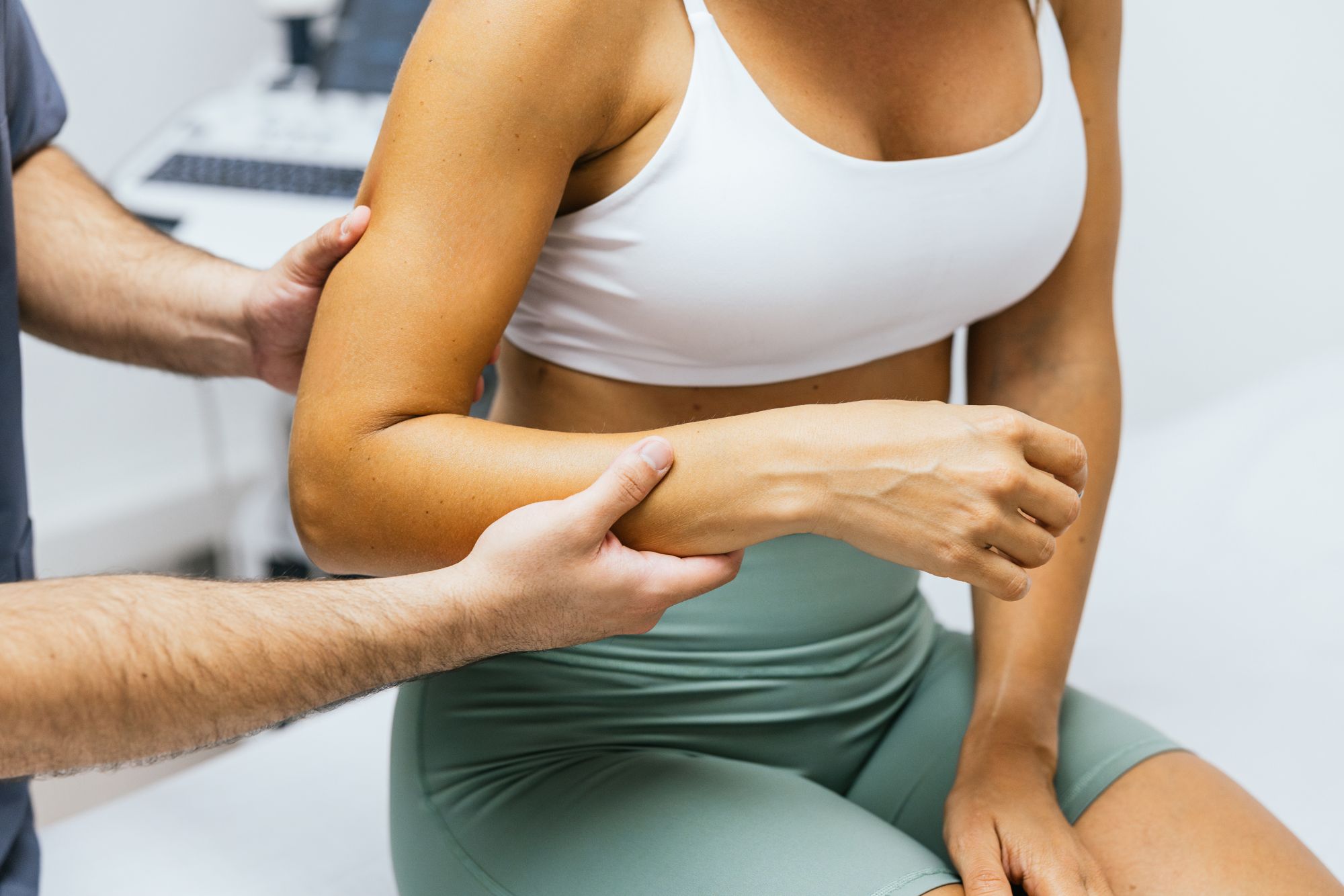
Connective Tissue & Long-Term Mobility
Mobility is often thought of as flexibility—but it runs deeper than that.
True mobility depends on the health and integrity of connective tissue—tendons,

Recovery isn’t something that happens on its own—it’s something you build into your day.
Many people think of recovery as the absence of activity. But in reality, the body requires consistent input to repair, adapt, and grow stronger. Without a structured approach, recovery becomes inconsistent, and progress slows.
A practical recovery framework starts with nutrition. The body needs adequate protein to repair tissues, healthy fats to support inflammation balance, and micronutrients to drive cellular processes. Skipping meals or relying on low-quality food sources creates gaps that the body struggles to compensate for.
Movement is the second pillar. Contrary to popular belief, complete rest is rarely the most effective strategy. Gentle, intentional movement—such as walking, mobility work, or light stretching—helps maintain circulation, supports joint health, and encourages tissue recovery.
Supplementation, when used correctly, acts as reinforcement. This isn’t about taking everything available, but about identifying specific needs. Magnesium for muscle relaxation, omega-3s for inflammation balance, and targeted compounds like collagen can all support recovery when aligned with the individual’s demands.
Consistency is what ties everything together. Recovery isn’t defined by a single action but by repeated daily inputs. Small, consistent habits—hydrating properly, eating balanced meals, moving regularly, and supporting the body with the right nutrients—create a cumulative effect.
The goal isn’t perfection. It’s structure.
When recovery becomes intentional rather than reactive, the body responds with greater resilience, improved performance, and a reduced risk of ongoing discomfort.

Mobility is often thought of as flexibility—but it runs deeper than that.
True mobility depends on the health and integrity of connective tissue—tendons,

Inflammation isn’t inherently bad—it’s essential.
It’s the body’s natural response to injury, stress, and infection, playing a critical role in

Sleep is often treated as optional—but it’s one of the most powerful tools for recovery and health.
Behind the scenes, sleep is where the body carries out essential processes: tissue repair,
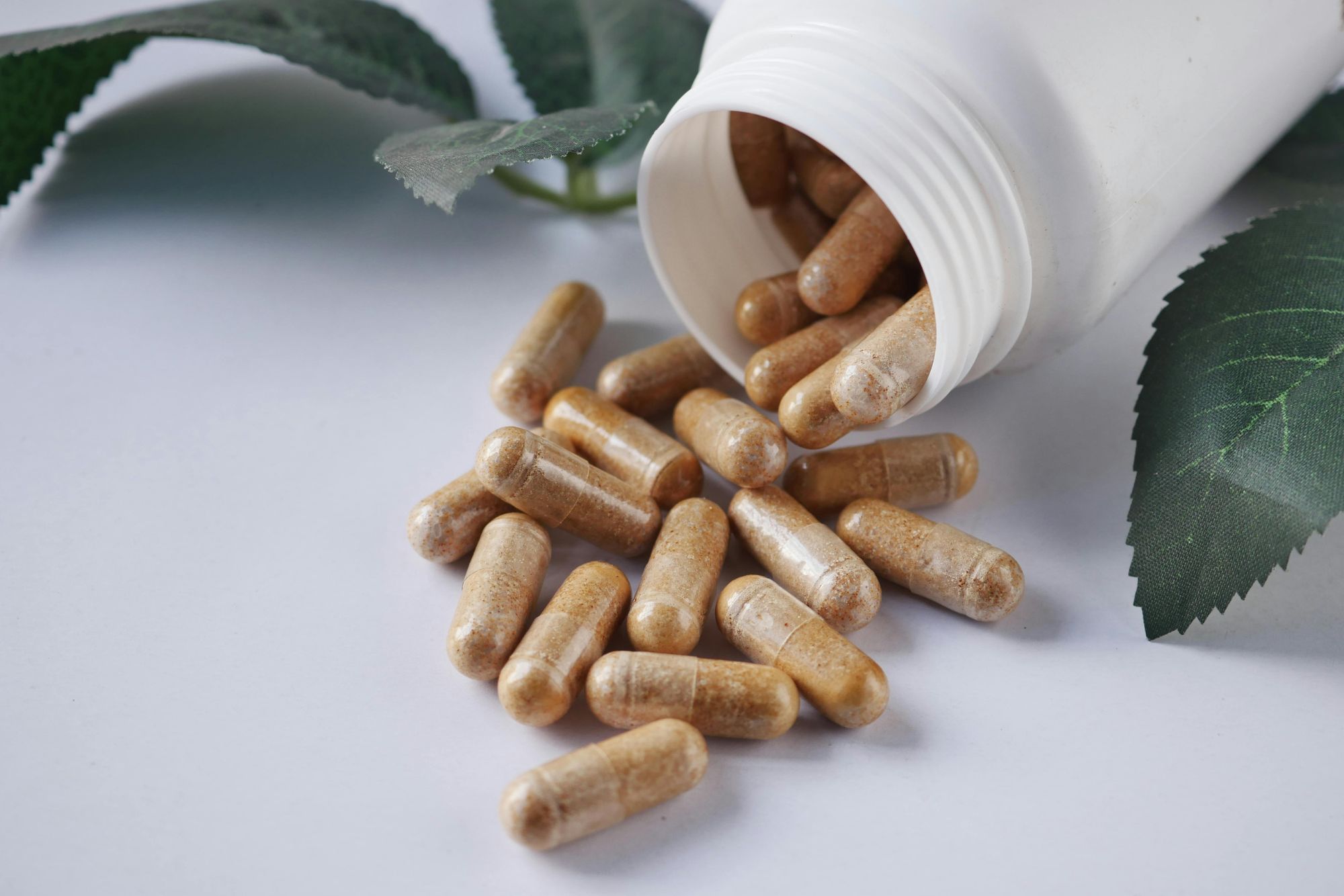
Not all supplements are created equal—and marketing doesn’t always reflect quality.
The supplement industry is saturated with bold claims, making it difficult to distinguish